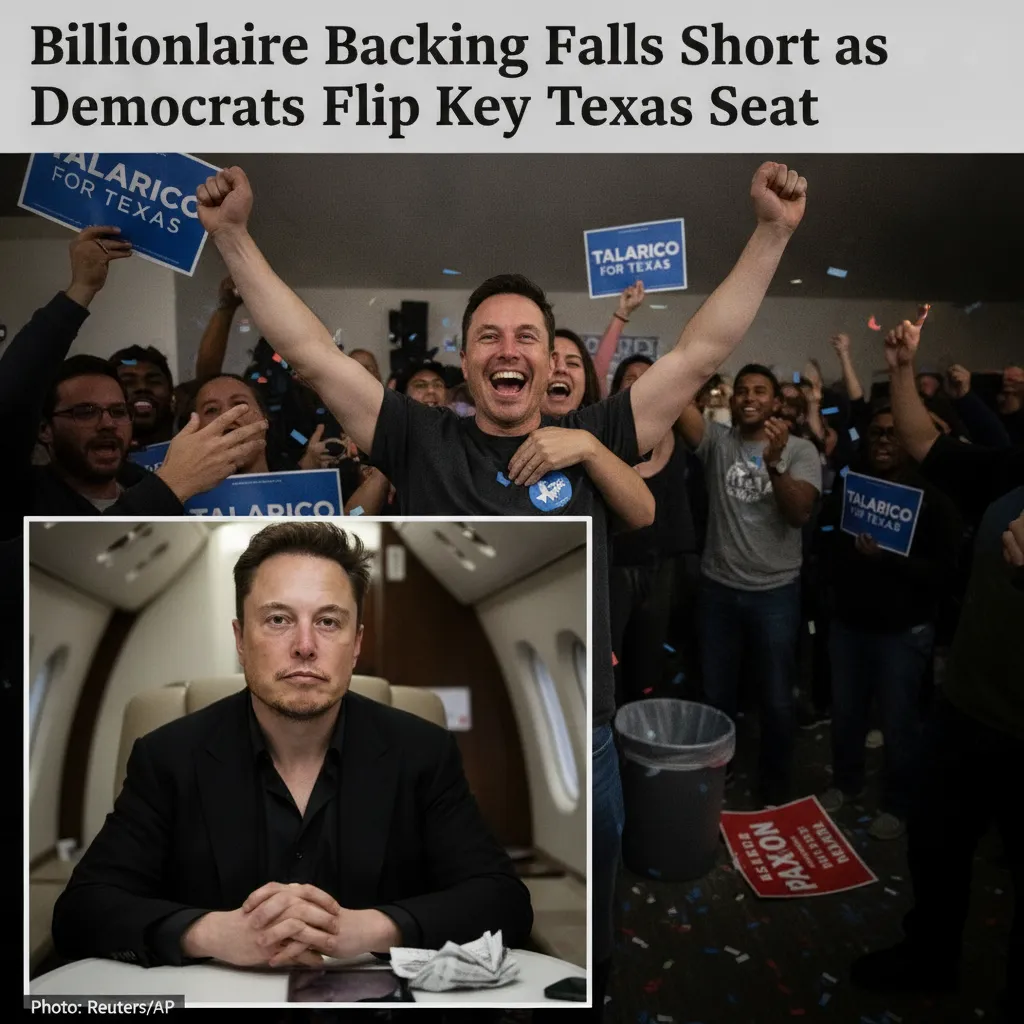
In a stunning turn of events during the midterm elections, an onslaught of financial support from Elon Musk failed to secure a critical victory for Republicans in Texas. Despite pouring tens of millions of dollars into the campaign for Ken Paxton via various political action committees, including a staggering 47 million dollar contribution specifically targeting the race, Musk could not prevent Democrat James Talarico from claiming the seat. This victory marks the first time since 1988 that the position has turned blue, sending a clear signal that massive spending does not always translate into electoral success.
Talarico did not mince words during his victory speech, telling supporters that they had proven all the money in the world is no match for the will of the people. The contest grew particularly heated when Musk used his social media platform, X, to amplify conspiracy theories regarding Talarico’s brief absence from the campaign trail in October. While Musk later attempted to deflect the loss with a joke about his space lasers failing him, Talarico responded by criticizing a political system that seemingly allows billionaires to attempt to purchase legislative seats.
The scale of Musk’s involvement highlights his growing influence within Texas, where he has established hubs for both Tesla and SpaceX. By utilizing Super PACs, which allow for unlimited independent expenditures on advertising and outreach without direct coordination with candidates, Musk sought to replicate the financial momentum he provided for Donald Trump’s successful presidential bid earlier in 2024. However, this particular result suggests there may be limits to how much corporate wealth can sway voters in high-stakes regional battles.